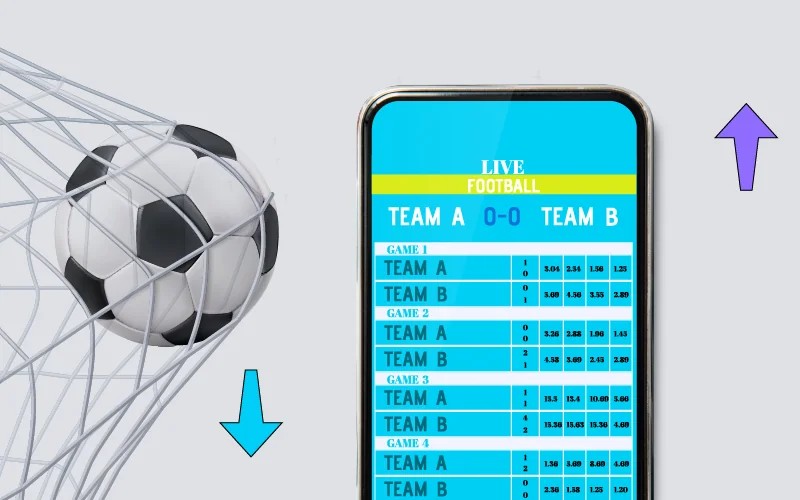
Making reliable football predictions has become increasingly sophisticated as data analytics and sports science continue to advance. Modern forecasting combines traditional football knowledge with cutting-edge statistical analysis to produce more accurate results than ever before. According to research from eaglepredict, successful prediction strategies require understanding both the science and art of match analysis. Professionals at eaglepredict have developed comprehensive frameworks that incorporate multiple data points and variables into their forecasting models. The methodology used by eaglepredict demonstrates how systematic approaches outperform casual guesswork in the long run. Through platforms like eaglepredict, enthusiasts can access expert insights and learn proven techniques for improving their forecasting accuracy. Resources from eaglepredict show that consistent success comes from disciplined analysis rather than intuition alone.

The science behind accurate football predictions
Understanding the mathematical and statistical foundations of football predictions provides a significant advantage over those who rely purely on instinct. Modern forecasting utilizes probability theory, regression analysis, and machine learning algorithms to process vast amounts of data and identify meaningful patterns that human observers might miss through casual observation alone.
Probability models form the core of scientific approaches to football predictions. These models assign likelihood percentages to various outcomes based on historical data and current circumstances. By understanding that a 60% probability means an event occurs roughly six times out of ten attempts, forecasters can make more rational decisions about which predictions offer genuine value versus those that appear attractive but lack statistical support.
Data collection and management represent crucial steps in developing quality football predictions. Comprehensive databases tracking thousands of matches across multiple seasons provide the raw material for analytical models. Modern forecasters utilize specialized software that aggregates information from numerous sources, ensuring their analysis incorporates all relevant data points rather than relying on incomplete information.
Regression analysis helps identify which variables most significantly impact match outcomes when creating football predictions. This statistical technique examines relationships between different factors, determining how changes in one variable affect the probability of specific results. Understanding these relationships enables more precise forecasting by focusing attention on the most influential factors while avoiding overemphasis on less significant elements.
Machine learning algorithms increasingly power sophisticated football predictions by identifying complex patterns in historical data. These systems can process information at scales impossible for human analysts, recognizing subtle correlations that inform more accurate forecasts. While machine learning doesn't guarantee perfect predictions, it represents a powerful tool when combined with traditional analytical approaches and football expertise.
Variance and standard deviation concepts help forecasters understand the reliability of their football predictions. Some leagues and teams exhibit highly consistent performance patterns, making their results relatively predictable. Others demonstrate significant variance, producing frequent surprises that make accurate forecasting more challenging. Recognizing these differences helps set appropriate expectations for prediction accuracy across different competitions.
Psychological factors influencing football predictions
Beyond statistics and tactical analysis, psychological elements play crucial roles in match outcomes and consequently in accurate football predictions. Teams are composed of human beings whose mental states, confidence levels, and emotional responses significantly impact performance. Understanding these psychological dimensions adds important context to data-driven forecasting approaches.
Momentum effects exert powerful influences that must be considered in football predictions. Teams experiencing positive runs develop confidence that often enables them to perform above their typical statistical levels. This psychological lift can persist across multiple matches, creating winning streaks that exceed what underlying metrics would predict. Conversely, negative spirals can trap teams in prolonged poor form regardless of their theoretical quality.
Pressure situations reveal character differences between teams and players that impact the accuracy of football predictions. Some squads thrive under high-stakes circumstances while others crumble when expectations rise. Cup finals, crucial league matches, and relegation battles all create psychological pressure that affects performance unpredictably. Experienced forecasters account for these mental factors when evaluating matches with significant consequences.
Manager psychology and its influence on team performance deserve consideration in comprehensive football predictions. Different coaches respond to various situations in characteristic ways that become predictable over time. Some managers adopt conservative approaches when protecting leads while others maintain attacking intent regardless of scorelines. Understanding these tendencies helps predict likely tactical adjustments during matches.
Team chemistry and dressing room dynamics affect performance in ways that don't appear in statistical databases yet matter for football predictions. Squads with strong unity and positive relationships often exceed expectations while those experiencing internal conflicts underperform relative to their talent levels. While these factors can be difficult to quantify, monitoring media reports and player interviews provides insights into team morale.
Fan expectations create psychological pressure that influences match outcomes and consequently football predictions. Traditional powerhouse clubs face constant demands for success that can become burdensome when results disappoint. Conversely, underdogs sometimes benefit from reduced pressure, performing with freedom that enables surprising results. These psychological dynamics add complexity to forecasting that pure statistical analysis might overlook.

Seasonal timing and its impact on football predictions
The timing of matches within longer seasonal contexts significantly influences outcomes and must inform thoughtful football predictions. Teams' priorities, fitness levels, and mental states vary considerably depending on when matches occur during the campaign. Recognizing these temporal factors enhances forecasting accuracy by providing important context for interpreting current form and statistics.
Early season matches present unique challenges for football predictions because limited data makes assessing current team quality difficult. Pre-season results offer some indications but often prove misleading as managers experiment with lineups and tactics. The first several league matches help clarify actual capabilities, making forecasts more reliable as the season progresses and meaningful data accumulates.
Mid-season periods typically provide the most reliable foundations for football predictions. By this point, substantial data reveals genuine team quality while most squads maintain consistent form barring significant injury problems. This stability makes patterns more recognizable and forecasting more straightforward compared to early or late season situations where various complications arise.
Congested fixture schedules during winter months impact team performance and consequently football predictions. Squads with limited depth struggle to maintain quality across multiple matches per week while better-resourced teams cope more effectively with demanding schedules. Monitoring fixture congestion helps predict when fatigue might affect performance, particularly for clubs competing in multiple competitions simultaneously.
Late season matches require special consideration in football predictions due to varying motivations among different teams. Clubs fighting relegation or chasing titles demonstrate maximum effort while mid-table teams with nothing at stake may lack intensity. These motivation disparities create opportunities for surprising results that careful forecasters can anticipate by understanding what each team has to play for.
Transfer windows introduce uncertainty that complicates football predictions during and immediately after these periods. New signings require time to adapt while departed players leave gaps that take time to fill. Teams' performances often fluctuate during adjustment periods following significant squad changes, making forecasts less reliable until new lineups stabilize and gel properly.
International breaks disrupt domestic league rhythms, affecting subsequent football predictions. Players returning from national team duty may carry fatigue or minor injuries while managers lack training time with full squads. Some teams struggle after international breaks while others seem energized by the disruption. Recognizing these patterns improves forecasting accuracy for matches following international fixtures.
Financial and institutional factors in football predictions
Economic realities and organizational structures profoundly influence team performance yet often receive insufficient attention in casual football predictions. Understanding the financial health, ownership stability, and institutional competence of clubs provides crucial context that enhances forecasting accuracy beyond what on-pitch statistics alone reveal.
Financial resources directly impact squad quality and consequently the reliability of football predictions. Wealthier clubs attract better players and deeper squads, providing advantages that typically translate into superior results. However, financial power doesn't guarantee success, as organizational dysfunction can waste resources while well-managed clubs with modest budgets sometimes overachieve through intelligent recruitment and coaching.
Ownership stability affects performance in ways that matter for football predictions. Clubs experiencing ownership uncertainty or frequent changes in leadership often struggle with the resulting instability. Players and managers find it difficult to plan effectively when future direction remains unclear, typically leading to inconsistent results that make accurate forecasting more challenging.
Wage structures and contract situations influence player motivation in ways relevant to football predictions. Teams with players in final contract years may see reduced commitment from those individuals focused on securing moves elsewhere. Conversely, squads where players recently signed long-term deals often demonstrate positive morale that translates into improved performances worth considering when forecasting.
Academy quality and youth development programs provide long-term advantages that impact football predictions. Clubs with strong youth systems maintain squad depth more economically while creating team cohesion as academy graduates share common backgrounds. These institutional advantages often produce consistency that makes forecasting more reliable compared to clubs relying heavily on expensive acquisitions.
Managerial stability versus frequent changes significantly affects team performance and football predictions. Squads working under the same manager for extended periods develop clear identities and consistent approaches that make their performances more predictable. Clubs cycling through frequent coaching changes often struggle with disrupted development and inconsistent results that complicate accurate forecasting.
Leveraging technology for better football predictions
Modern technology provides unprecedented tools for enhancing the accuracy of football predictions through advanced data collection, processing, and visualization capabilities. Embracing these technological resources enables forecasters to analyze matches more comprehensively than previous generations could imagine, though technology complements rather than replaces sound judgment and football knowledge.
Video analysis platforms allow detailed examination of tactical patterns and individual performances that inform football predictions. Reviewing match footage reveals nuances that raw statistics miss, such as defensive organization quality or attacking movement patterns. This visual analysis combined with statistical data produces more complete understanding of team capabilities and likely future performance.
Performance tracking systems generate detailed player metrics during matches, providing granular data for sophisticated football predictions. Modern technology captures information about distances covered, sprint speeds, passing accuracy, and countless other variables. This comprehensive data enables identification of fatigue patterns, form trends, and tactical tendencies that enhance forecasting accuracy.
Social media monitoring offers insights into team morale and player mindsets relevant to football predictions. While requiring careful interpretation, social media activity sometimes reveals tensions or positive developments not yet reported through traditional channels. This information can provide early warning of potential performance issues or improvements worth considering when developing forecasts.
Betting market analysis provides valuable information for football predictions by revealing collective wisdom of thousands of participants risking real money. Significant market movements often indicate important information becoming available to informed bettors. While markets aren't perfectly efficient, understanding their dynamics helps identify situations where your analysis differs from consensus opinion.
[caption id="attachment_17662" align="aligncenter" width="800"] Football Predictions[/caption]
Conclusion on developing superior football predictions
Excellence in football predictions emerges from combining multiple analytical approaches into comprehensive evaluation frameworks. Statistical rigor, psychological insight, contextual awareness, and technological tools all contribute to forecasting accuracy when integrated thoughtfully. No single method provides complete answers, but systematic analysis incorporating diverse perspectives produces consistent long-term success.
Continuous learning and adaptation remain essential for maintaining forecasting quality as football evolves. Tactical innovations, rule changes, and shifting competitive balances require updating analytical approaches regularly. The most successful predictors treat forecasting as an ongoing educational process rather than a static skill set, constantly refining their methods based on results and new information.
Humility about prediction limitations prevents overconfidence that leads to poor decisions. Even the most sophisticated football predictions cannot eliminate uncertainty from a complex, dynamic sport. Accepting this reality while working to minimize errors through rigorous analysis represents the most productive mindset for serious forecasters seeking sustainable success.
The future of football predictions will likely involve even greater technological sophistication as artificial intelligence and data analytics continue advancing. However, human judgment informed by deep football knowledge will remain valuable for interpreting information and recognizing contexts that algorithms might miss. The optimal approach combines technological capabilities with experienced human analysis.
Whether pursuing football predictions professionally or as an engaged enthusiast, the principles outlined here provide foundations for meaningful improvement. Dedication to systematic analysis, willingness to learn from mistakes, and commitment to objective evaluation separate successful long-term forecasters from those achieving only sporadic accuracy through luck or casual observation.
Xem thêm >> Soccer Betting Tips: Strategies for Consistent Football Wins