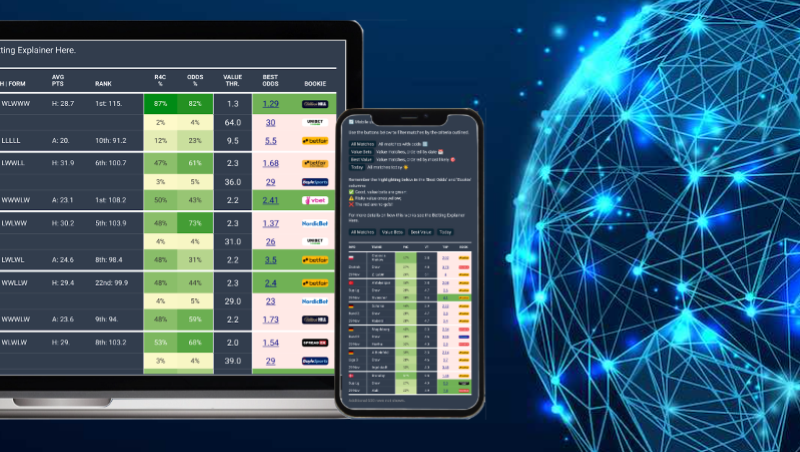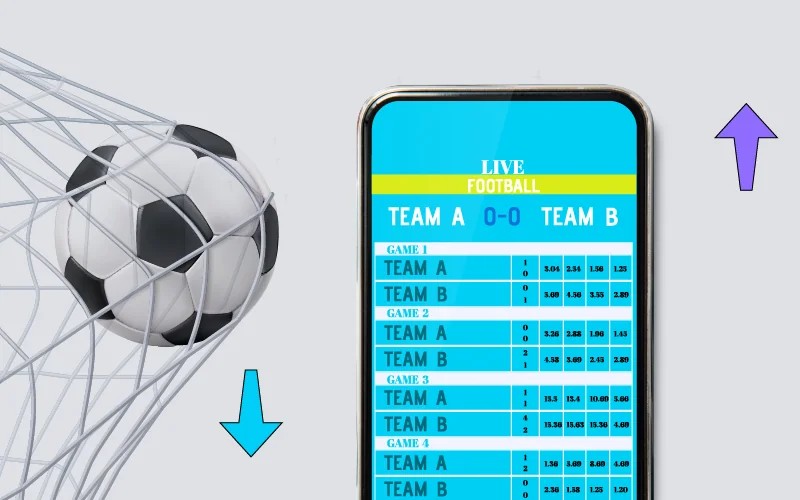
The world of football betting extends far beyond simple win-draw-lose predictions. Modern bookmakers offer hundreds of markets per match, each requiring distinct analytical approaches and specialized knowledge. Understanding these diverse options opens numerous opportunities for value-seeking bettors who invest time in football tips and analysis.
According to eaglepredict, successful bettors diversify across multiple market types rather than restricting themselves to traditional match result wagers. This diversification spreads risk while allowing specialists to focus on markets where their analytical edge proves strongest. Different markets suit different analytical strengths, from statistical modeling to tactical understanding to player-specific knowledge.
[caption id="attachment_15298" align="aligncenter" width="800"] football tips and analysis[/caption]
Over/under markets focus on total goals scored rather than match winners. These markets appeal to analysts who excel at predicting game flow and scoring patterns. Factors like team styles, weather conditions, and tactical approaches significantly influence goal expectations. Some matchups naturally produce high-scoring affairs while others tend toward defensive stalemates.
Both teams to score (BTTS) markets have grown tremendously popular due to their straightforward nature and reasonable odds. This market rewards analysts who understand offensive capabilities versus defensive vulnerabilities. Teams with potent attacks but leaky defenses frequently feature in BTTS predictions, while defensively solid but offensively limited sides typically don't.
Asian handicap betting eliminates draw possibilities by applying virtual goal advantages or disadvantages to teams. This market type originated in Asian betting exchanges and has gained worldwide acceptance. Handicaps allow bettors to back favorites at better odds or support underdogs with cushions, creating more nuanced prediction opportunities than straight win bets.
Correct score markets offer huge potential returns but require precise predictions. These markets suit bettors with strong understanding of specific team tendencies and typical scorelines in particular matchup types. While challenging, correct score betting can prove highly profitable when analysts identify likely scenarios that bookmakers have underpriced.
Advanced statistical methods in football tips and analysis
Modern football tips and analysis increasingly incorporate sophisticated statistical techniques borrowed from data science and analytics. Expected goals (xG) models have become foundational tools, using historical shooting data to calculate the probability of shots resulting in goals based on factors like distance, angle, and defensive pressure.
Expected assists (xA) complement xG by measuring pass quality leading to shooting opportunities. Together, these metrics reveal which players and teams create genuinely dangerous situations versus those benefiting from good fortune. Over time, actual performance tends to regress toward expected metrics, making these valuable for identifying over-performing and under-performing teams.
Possession value models go beyond simple possession percentages by weighting ball control in different pitch zones. Possession in one's own defensive third contributes little, while possession in the final third creates danger. These nuanced approaches better capture which teams genuinely dominate matches versus those simply passing sideways without threatening.
Shot maps visualize where teams attempt efforts from, revealing tactical patterns and preferences. Some sides shoot frequently from distance with low conversion rates, while others work patiently for high-quality central chances. Understanding these tendencies helps predict goal expectations more accurately than simple shots-on-target statistics.
Pressing intensity metrics measure how aggressively teams try to win the ball back after losing possession. High-pressing teams create turnovers in dangerous areas but risk leaving spaces behind their defense. Counter-pressing statistics show which teams immediately pressure after losing the ball versus those dropping into defensive shape. These factors crucially affect game dynamics and prediction strategies.
Player tracking data captures movement patterns, distances covered, and positioning throughout matches. This granular information reveals workrate, tactical discipline, and off-ball contributions that traditional statistics miss. Elite analysts incorporate these insights into their football tips and analysis for competitive advantages.
[caption id="attachment_15297" align="aligncenter" width="800"]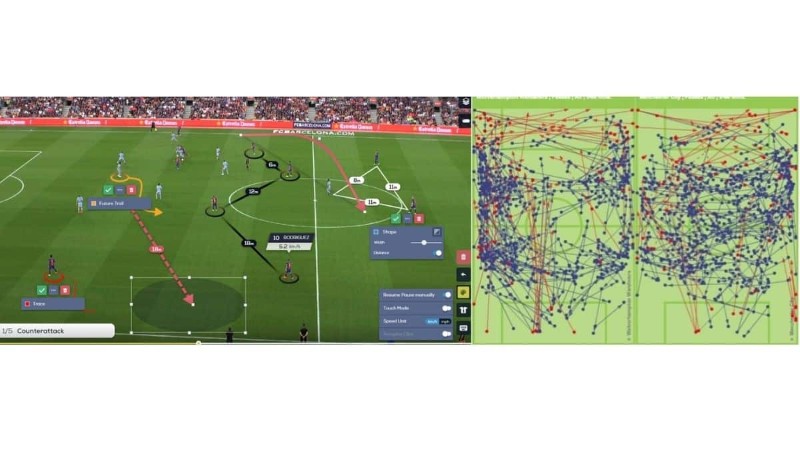 football tips and analysis[/caption]
Psychological factors and mental aspects in predictions
Psychology significantly influences football outcomes yet receives insufficient attention in many prediction models. Team confidence fluctuates dramatically based on recent results, creating momentum effects that pure statistical models may underestimate. Winning streaks build belief and fluency, while losing runs erode confidence and cohesion.
Pressure situations reveal character differences between teams and players. Some squads thrive under expectation, delivering best performances in crucial moments. Others crumble when stakes rise, making uncharacteristic errors. Historical evidence of clutch performance or choking helps predict behavior in high-pressure scenarios like cup finals or relegation battles.
Manager influence extends beyond tactical systems to motivational capabilities. Certain coaches consistently extract maximum effort from players, while others struggle to inspire. New manager bounces represent well-documented phenomena where coaching changes temporarily boost performance through renewed enthusiasm and tactical adjustments.
Team harmony affects performance in ways difficult to quantify but important to recognize. Dressing room divisions, player-manager conflicts, or contract disputes create distractions undermining focus. Conversely, tight-knit groups often overachieve through collective spirit. Monitoring team news and insider reports helps gauge these intangible factors.
Revenge motivations intensify certain fixtures when teams seek to avenge previous defeats. Players and managers often reference past disappointments as motivational tools. While not decisive factors alone, these psychological edges can tip close matchups when combined with other analytical considerations in comprehensive football tips and analysis.
Seasonal variations and fixture congestion impacts
Football seasons contain distinct phases requiring different analytical approaches. Early season form can mislead as teams adjust to personnel changes and tactical systems. Fitness levels may not yet peak, and team chemistry takes time developing. Analysts should weight pre-season preparation and squad continuity heavily when making predictions in opening weeks.
Mid-season typically provides the most reliable data for predictions. Teams have established patterns, fitness peaks, and tactical identities become clear. Form trends carry more significance as sample sizes grow. This period often offers best opportunities for data-driven football tips and analysis as statistical models operate most effectively.
End-of-season dynamics introduce unique considerations. Teams with nothing to play for often underperform, while those fighting relegation or chasing titles show elevated intensity. Beach football describes the phenomenon where safe mid-table sides mentally check out, creating opportunities for motivated opponents. Understanding these motivational disparities proves crucial for accurate predictions.
Fixture congestion severely impacts team performance, particularly for squads lacking depth. Teams competing on multiple fronts face challenging scheduling periods where match frequency exceeds recovery time. Fatigue accumulates, increasing injury risks and forcing rotation that weakens lineups. Monitoring fixture schedules helps predict when congestion will negatively affect performance.
International breaks disrupt domestic league rhythm, creating form discontinuities. Players returning from national team duty may carry fatigue or injuries. Some managers view these breaks positively as opportunities to reset, while others struggle to regain momentum. Historical performance patterns around international breaks inform prediction adjustments.
Winter breaks in certain leagues create similar disruptions. Teams return with varying readiness depending on training camps and preparation quality. Early post-break matches often feature rusty performances as match sharpness returns gradually. These seasonal quirks require specific analytical considerations in comprehensive football tips and analysis.
Weather conditions and environmental factors
Weather significantly influences match dynamics yet receives inadequate attention from casual bettors. Heavy rain makes pitch surfaces slick, disadvantaging technical passing teams while benefiting direct, physical sides. Wet conditions reduce shot accuracy and increase defensive errors, often leading to scrappy goals and higher-scoring matches than expected.
Wind creates obvious difficulties for passing accuracy and ball control. Strong winds particularly affect goal kicks, long passes, and shooting from distance. Teams accustomed to possession football struggle in windy conditions, while those comfortable with direct approaches cope better. Wind direction can advantage one team based on which half they face it.
Extreme heat drains energy reserves quickly, especially for teams unaccustomed to high temperatures. Late-season matches in southern climates or summer tournaments in hot regions often produce slower tempos and reduced intensity. Fitness levels and squad depth become more important as fatigue sets in earlier than normal conditions.
Cold temperatures and snow create similarly challenging environments. Frozen pitches reduce pace and increase injury risks. Some players adapt poorly to cold weather, particularly those from warmer climates. Scandinavian and eastern European teams generally handle cold better than Mediterranean sides, creating potential edges in cross-climate fixtures.
Altitude affects visiting teams unfamiliar with thin air. South American clubs playing in high-altitude cities like La Paz or Quito enjoy massive advantages as opponents struggle with reduced oxygen. Even within Europe, matches in cities like Madrid require acclimatization for optimal performance.
[caption id="attachment_15296" align="aligncenter" width="800"] football tips and analysis[/caption]
Building and refining your prediction system
Developing effective football tips and analysis requires systematic approaches rather than random intuition. Successful bettors establish clear methodologies, test them rigorously, and refine based on results. This scientific approach separates professionals from amateurs who bet based on hunches or bias.
Start by specializing in specific leagues or markets rather than attempting to cover everything. Deep knowledge of particular competitions allows you to notice patterns and opportunities that generalists miss. Understanding league-specific nuances, refereeing tendencies, and team dynamics provides significant edges.
Create rating systems that quantify team strength across relevant dimensions like attack, defense, and overall quality. These ratings should adjust based on recent performance while accounting for opposition quality. Dynamic rating systems capture current form better than static rankings based on reputation or historical achievement.
Track your predictions meticulously, recording not just wins and losses but also odds taken, stake sizes, and reasoning behind each bet. This data reveals which approaches work best and which need adjustment. Many bettors overestimate their success without honest record-keeping providing objective performance feedback.
Continuously update your models and assumptions based on new information. Football evolves constantly as tactics develop and playing styles shift. Analytical approaches that worked previously may become less effective. Remaining adaptable and open to new methodologies ensures long-term success in providing quality football tips and analysis.
Conclusion
Successful football tips and analysis combines statistical rigor with tactical understanding, psychological insight, and disciplined execution. No single approach guarantees success, but systematic research and continuous improvement gradually build edges that compound into profitable results over time.
The betting markets are efficient but not perfect. Opportunities exist for dedicated analysts willing to invest time and effort into developing expertise. Success requires patience, accepting that even excellent predictions sometimes lose, and maintaining consistent processes regardless of short-term results.
Remember to visit eaglepredict regularly for expert football tips and analysis covering all major leagues, detailed statistical breakdowns, market insights, and strategic guidance. Combining quality information sources with personal analytical development creates the foundation for long-term betting success in an increasingly competitive landscape.