In today's competitive sports betting landscape, making informed decisions requires more than just luck or intuition. Serious bettors and football enthusiasts increasingly rely on comprehensive football predictions to guide their wagering choices and enhance their understanding of upcoming matches. Among the various platforms offering analytical insights, eaglepredict has established itself as a reliable resource for those seeking detailed forecasts backed by statistical analysis and expert knowledge. This comprehensive guide explores the essential aspects of football predictions, helping you navigate the complexities of match forecasting while developing strategies that can improve your long-term success in sports betting.

Understanding the fundamentals of football predictions
The art and science of forecasting match outcomes has evolved dramatically over recent years. Modern football predictions combine multiple analytical approaches including statistical modeling, form analysis, tactical evaluation, and historical data examination. Unlike simple guesswork, professional forecasting involves systematic assessment of numerous variables that influence match results.
Successful predictions consider team performance trends over extended periods rather than focusing solely on recent results. A team's underlying statistics often reveal more about their true quality than their actual points total. For instance, a side might have won several matches while creating few quality chances, suggesting their results may not be sustainable. Conversely, teams losing narrowly despite dominating matches may be due for improved results.
Individual match circumstances significantly impact likely outcomes. Home advantage provides tangible benefits including familiar surroundings, supportive crowds, and reduced travel fatigue. However, the magnitude of home advantage varies between leagues and even individual clubs. Some teams perform consistently regardless of venue, while others show dramatic splits between home and away form. Quality football predictions account for these nuances rather than applying blanket assumptions.
Key elements that shape accurate football predictions
Team news represents one of the most crucial factors affecting match outcomes. The absence of key players through injury, suspension, or rotation can fundamentally alter a team's capabilities. Star forwards missing from the lineup reduce scoring potential, while defensive absences may leave teams vulnerable. However, the impact varies depending on squad depth and tactical flexibility. Top teams with strong benches often cope better with absences than smaller clubs lacking quality replacements.
Tactical matchups create another important dimension in football predictions. Certain playing styles naturally counter others, regardless of relative team quality. High pressing teams may struggle against opponents comfortable playing direct football, while possession-oriented sides can dominate teams that concede territorial control. Understanding these tactical dynamics helps identify matches where underdogs might outperform expectations or favorites could face unexpected difficulties.
Motivation levels also influence performance significantly. Teams fighting relegation or competing for titles typically display greater intensity than those with little at stake. However, motivation proves difficult to quantify objectively, requiring careful consideration rather than simplistic assumptions. Cup competitions introduce additional motivational factors, with some teams prioritizing domestic success while others focus on league campaigns.
Statistical analysis in modern football predictions
Expected goals models have revolutionized how analysts evaluate team performance. Rather than judging teams solely on actual goals scored, expected goals measure the quality of chances created and conceded. This provides more reliable indicators of underlying performance quality. Teams consistently outperforming their expected goals may be experiencing unsustainable good fortune, while those underperforming could be due for regression toward better results.
Defensive metrics extend beyond simple goals conceded statistics. Shots faced, expected goals against, and clean sheet frequency all contribute to understanding defensive solidity. Some teams concede few chances but prove vulnerable when opponents do create opportunities, while others allow numerous low-quality attempts while remaining difficult to beat. Comprehensive football predictions incorporate these nuanced defensive assessments.
Possession statistics require contextual interpretation. High possession percentages indicate control but don't guarantee effectiveness. Teams dominating possession without creating dangerous chances may struggle to convert territorial advantage into goals. Conversely, some successful teams deliberately cede possession while remaining dangerous through efficient counter-attacking. Effective analysis examines what teams do with possession rather than possession alone.

League-specific considerations for football predictions
Different competitions present unique characteristics affecting prediction accuracy. The English Premier League features exceptional competitive balance with multiple teams capable of defeating anyone on their day. This parity makes predictions challenging but creates opportunities for finding value when markets overreact to recent results or underestimate mid-table teams.
European leagues like La Liga and Serie A historically showed greater concentration of quality among elite clubs. However, this dynamic has shifted somewhat in recent seasons. Understanding each league's specific competitive structure helps calibrate expectations appropriately. What constitutes a surprising result in one competition might be relatively common in another.
International competitions introduce additional complexity. Players combining from different club environments require time developing chemistry and understanding. National team matches often feature more tactical caution than club football, particularly in major tournaments where single elimination creates risk-averse incentives. Quality football predictions adapt analytical approaches to suit different competitive contexts.
Timing and market dynamics in football predictions
Early predictions allow bettors to potentially secure better odds before markets adjust. However, late-breaking information regarding team news or conditions can significantly impact likely outcomes. Balancing the advantage of early positioning against the risk of missing important updates requires strategic decision-making.
Market movements themselves provide information. Significant odds shifts often reflect substantial betting activity or news affecting match expectations. However, market movements don't always indicate correct predictions. Sometimes sharp money identifies genuine value, while other times markets overreact to news or follow popular but flawed narratives. Interpreting market signals requires experience and careful analysis.
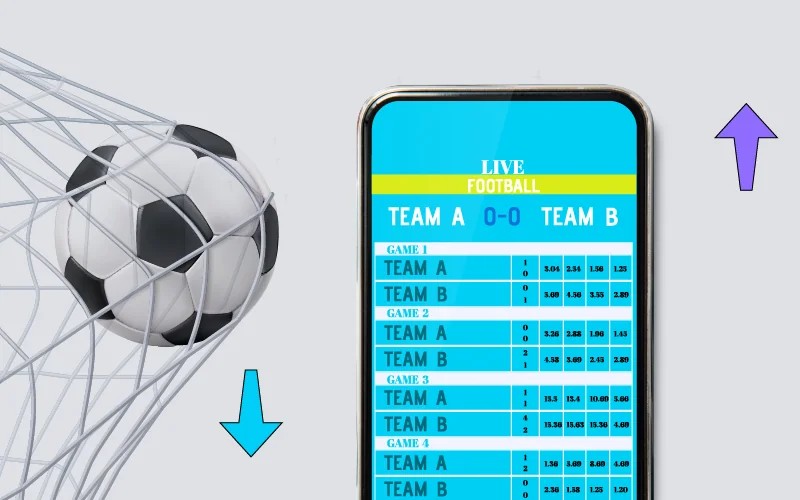
Live betting introduces another dimension to football predictions. In-play odds fluctuate rapidly based on match developments, creating opportunities for those who can quickly assess changing circumstances. However, live betting also increases emotional decision-making risks. Maintaining discipline while reacting to real-time information proves challenging even for experienced bettors.
Different types of football predictions and betting markets
Match result predictions represent the most straightforward forecast type. Predicting whether the home team wins, the away team wins, or the match ends in a draw requires assessing relative team quality while accounting for home advantage and specific match circumstances. While conceptually simple, accurate match result predictions demand thorough analysis of multiple factors.
Goals markets offer diverse betting opportunities. Over/under predictions forecast total goals scored, while both teams to score markets focus on whether each side finds the net. These markets often provide value when the most likely result features characteristics the market underappreciates. For example, a match between defensive teams might see odds implying more goals than tactical styles suggest.
Asian handicap markets eliminate draw possibilities by giving one team a virtual head start. These markets prove popular among serious bettors because they reduce outcomes to two possibilities while offering precise ways to express views on match competitiveness. Understanding Asian handicap dynamics enhances the utility of football predictions across various scenarios.
Risk management strategies for betting on football predictions
Bankroll management forms the foundation of sustainable betting success. Regardless of prediction quality, variance ensures periods of losses occur. Betting appropriate percentages of total funds on individual wagers ensures survival through inevitable downswings. Most experts recommend risking between one and three percent of bankrolls per bet, with exact amounts reflecting confidence levels.
Diversification across multiple bets and markets reduces concentration risk. Rather than placing large wagers on single predictions, spreading investments across various opportunities creates more stable long-term returns. However, excessive diversification into low-confidence bets undermines this benefit. Focusing on highest-quality opportunities while maintaining reasonable diversification balances these considerations.
Record keeping enables performance evaluation and continuous improvement. Tracking all bets including stake sizes, odds, and outcomes reveals patterns in your success. Are you more profitable with certain bet types, leagues, or odds ranges? Do you perform better following specific prediction sources? Systematic record analysis combined with honest self-assessment drives gradual skill development.

Common mistakes to avoid in football predictions
Recency bias represents one of the most prevalent errors. Over-weighting recent results while ignoring broader performance patterns leads to mistaken conclusions. A team's last match provides one data point, but single games contain substantial randomness. Comprehensive football predictions emphasize sustained trends rather than isolated results.
Ignoring context when comparing statistics proves equally problematic. Raw numbers without considering opposition quality, match circumstances, or tactical situations often mislead. A team dominating possession against weak opponents differs fundamentally from controlling matches against elite competition. Effective analysis always contextualizes statistical information appropriately.
Emotional attachment clouds judgment for many bettors. Supporting a particular team makes objective assessment difficult, often leading to overestimating their chances or underestimating opponents. Successful betting requires analytical detachment even when wagering on teams you follow closely. Recognize emotional influences and compensate accordingly.
Leveraging expert analysis and community insights
Professional analysts provide valuable perspectives informed by extensive experience and specialized knowledge. However, not all expert opinions carry equal weight. Evaluating analyst track records, understanding their methodologies, and recognizing their areas of expertise helps distinguish genuine insight from confident-sounding speculation.
Community consensus can indicate where value exists. When expert opinion diverges significantly from betting market prices, opportunities may arise. However, crowds sometimes reinforce incorrect narratives rather than identifying truth. Critical evaluation of popular opinions rather than blind following proves essential.
Prediction competitions provide learning opportunities by exposing you to diverse analytical approaches. Observing consistently successful forecasters reveals effective strategies you might adopt. However, avoid copying predictions without understanding the reasoning. Developing your own analytical capabilities produces better long-term results than perpetually following others.
Technology and data in modern football predictions
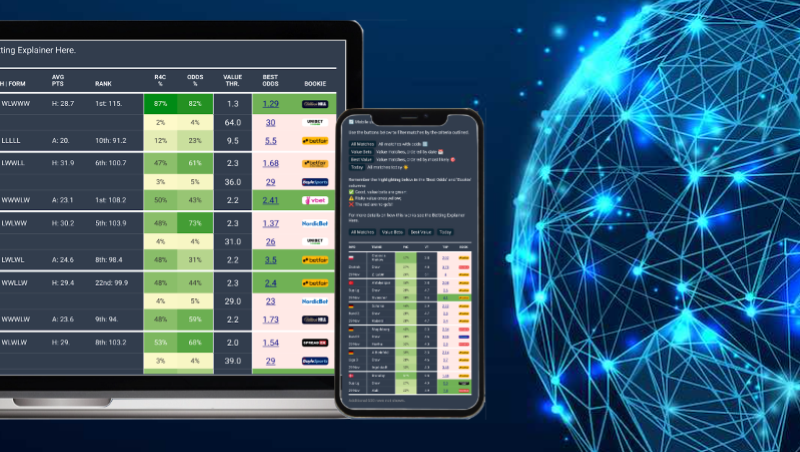
Advanced statistical tools have democratized access to sophisticated analysis. Websites now provide expected goals data, shot maps, passing networks, and numerous other metrics previously available only to professional analysts. Leveraging these resources enhances prediction quality for those willing to invest time learning their application.
Machine learning algorithms process vast datasets identifying patterns human analysts might miss. However, algorithms require proper design, quality data, and appropriate interpretation. Blindly trusting model outputs without understanding their limitations risks significant errors. The most effective approach combines algorithmic insights with human expertise and contextual understanding.
Video analysis complements statistical evaluation by revealing tactical nuances numbers alone cannot capture. Watching matches or highlights provides insights into team playing styles, individual player form, and tactical adjustments. While time-consuming, video review deepens understanding beyond what statistics communicate.
Conclusion
Successful football predictions require combining multiple analytical approaches, maintaining disciplined risk management, and continuously developing your expertise. No prediction method achieves perfect accuracy given football's inherent unpredictability, but systematic analysis improves outcomes over time. Whether utilizing platforms like eaglepredict or developing independent capabilities, focus on sustainable long-term improvement rather than short-term results. The most successful predictors remain humble about uncertainty, adapt their approaches based on evidence, and treat betting as a marathon requiring patience and discipline. By avoiding common mistakes, leveraging available resources effectively, and maintaining realistic expectations, you can develop football prediction skills that enhance both your understanding of the sport and your betting results.
Related articles >> I can’t bank on three years at Man Utd – Amorim